I am a Principal Software Engineer at Microsoft, father, nerd, gamer, and speaker.
Table of ContentsTable of Contents
I’ve been hosting on WordPress for a while. I wanted something that worked pretty well and was easy to work with. I picked a decent theme, added some plugins, pointed my domains and was up and running. I would work on blogs in Markdown, and then paste the txt into a Markdown. I could upload a few images and move them around in a wysiwyg.
Lately, I’ve been doing a lot more in Markdown. All my conference talks were in PowerPoint but I’ve started switching over to Markdown slides using MARP. I should probably do a post on MARP sometime (I did :-) ). I wanted to reduce my overhead of WordPress Hosting and get back into more direct styling and coding of my theme. I decided to switch my hosting to Jekyll on GitHub Pages.
Knowing that I’m going to be using this repository for a Jekyll based site, I setup a dev container so that I could quickly have all the tools setup and configured.
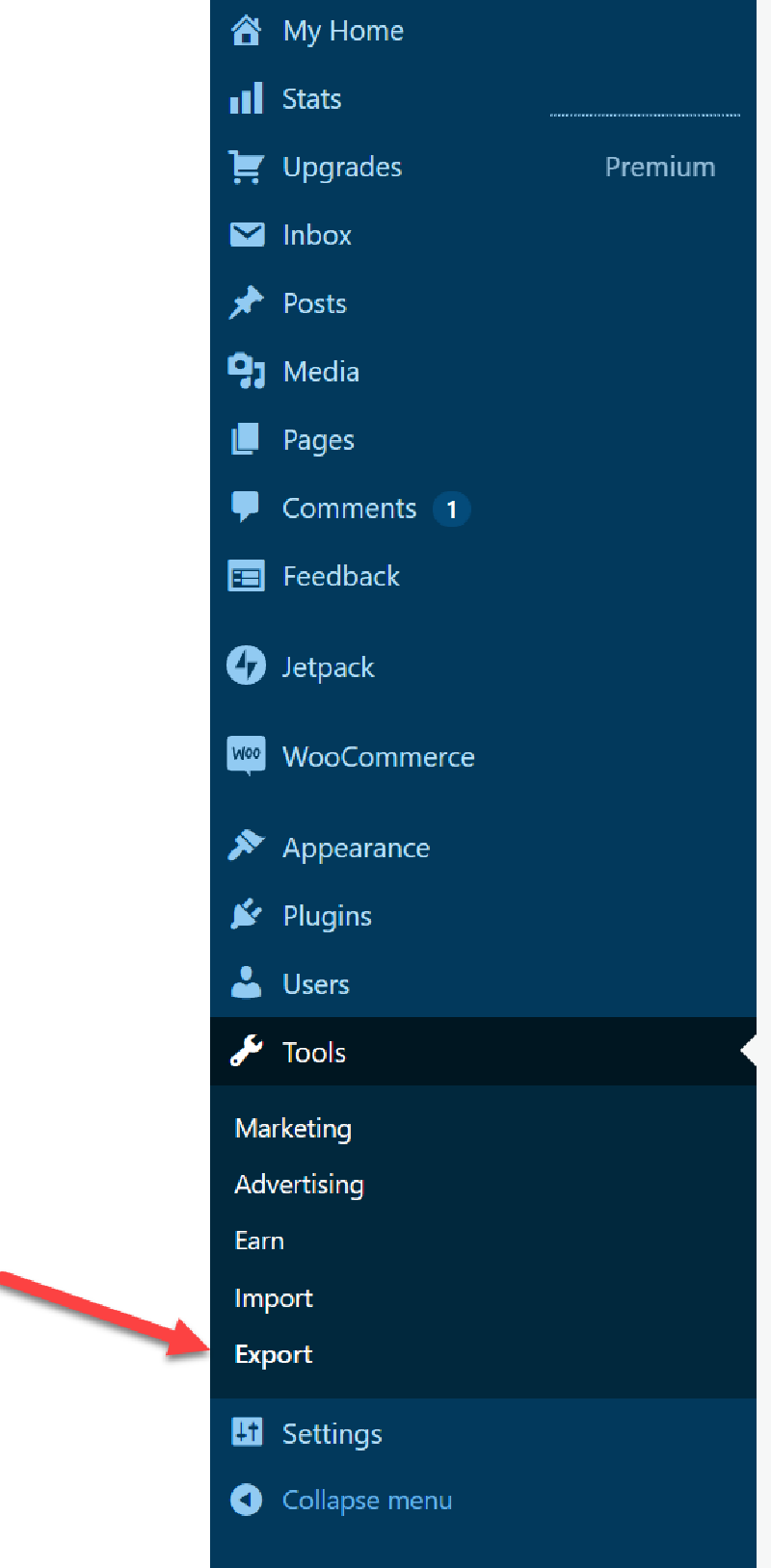
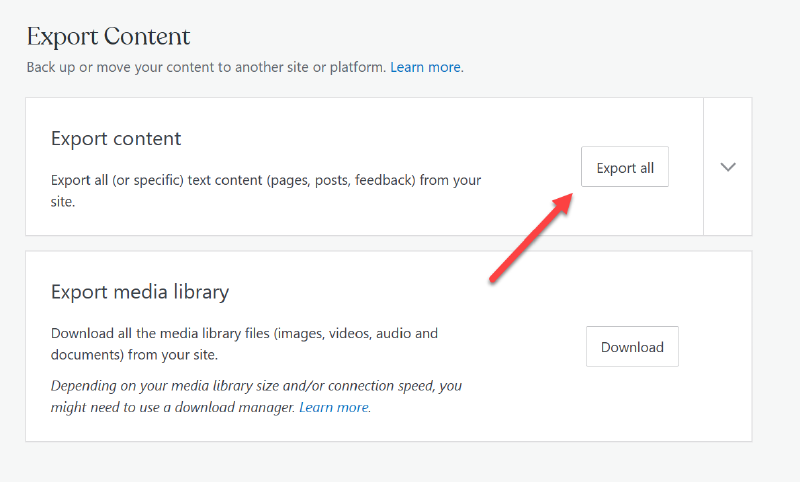
I used the Jekyll-import. Because of the plan I was using on WordPress.com, I couldn’t install custom extensions. That eliminated many export/import options. There is a free option for importing things into Jekyll-import using a Wordpress.xml export file.
Since I’m using a devcontainer for my local blog, I setup Jekyll-import and its dependencies. I added the dependencies to the local gemfile and ran bundle install.
I imported all my posts from Wordpress.com (about 20). It also imported all my images, but they had many duplicates. Some image URLs had both normal URLs ("/blah/image.jpg") but some had other URLs ("/blah/image.jpg@60px"). After this import process, I touched up each post and image.
For each post I had to resolve the front matter at the top of each post. Imported it looked like this:
The theme Minimal Mistakes has great helpers for figures and images. I converted the HTML to Markdown using the figure helper like this:
Update: I didn’t realize this was rendering wrong, I had to turn off liquid rendering with raw/endraw tags, or you could replace { with { and } with } to get the same effect.
I spent a few hours, fixed all the front matter and naming, converted all HTML to Markdown, then removed and renamed old images.
I was able to test locally by running running jekyll serve and checking how everything looked in a browser.
bundle exec jekyll serve
As part of setting up things with GitHub Pages, there is also a workflow that helps build and release the jeykll site to GitHub pages.
I’ll follow this up with another post on some of my customizations for monitoring and dns. Out of the box, GitHub pages only allow 1 custom dns domain. There are a few ways to host multiple domains on a single GitHub Pages site (check out chrislayers.com, chrisayers.me, or chris-ayers.com).
This blog was posted as part of the C# Advent Calendar 2022. I really want to thank Matthew D. Groves and Calvin Allen for helping set this up! Look for #csadvent on Twitter! Make sure to check out everyone else’s work when you’re done here
One of the great things about the configuration system in .NET is the type safety, dependency injection, and model binding. Something we can take advantage of is to validate our configuration on startup and fail if it doesn’t pass validation. Having that fast failure is awesome when working with containers and applications that have liveness and readiness probes.
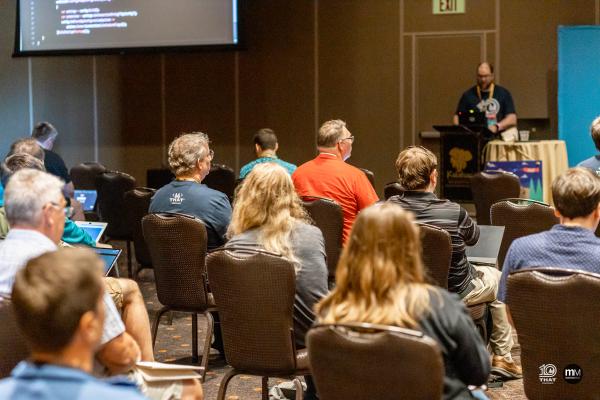
Presenting and speaking are skills that require practice to hone. I was a consultant for many years presenting to clients and customers of all levels and sizes. In addition, I started speaking and presenting at meetups, user groups, and conferences. Over the years, I practiced, I read, and I gave a lot of presentations. I’d like to share some of the learnings and best practices I’ve found in that time. I plan multiple posts, starting with Preparation. I’ll have more on slide design, and presentation tips.
A common issue I see when discussing DevOps with teams or organizations is the presence of Organizational Silos. Organizational Silos are made up of all types of people. Sometimes its a job type, like developers, qa, or infrastructure. Sometimes its a department, like accounting, or hr. Whatever the composition of these silos, they usually impact organizational performance and the ability to deliver value to end users.
This happens over time, with members of the silo identifying with each other, viewing those not in the silos as outsiders. Depending on the business, the silos can lose trust in the business overall and tighten ranks around their silo. The silos can turn into walled fortresses. When the silos get in the way, the silos are more focused on their own success than the success of the organization.
I’m presenting soon on Advanced Git. I feel a lot of Developers and DevOps engineers know enough git to the job, but sometimes that’s it. I want to help people be more comfortable with the git command-line, and help alleviate some fear or hesitation in dealing with git edge cases.
While researching things, I came across a few neat tools I’m using to help describe things.
This blog was posted as part of the Third Annual C# Advent. Make sure to check out everyone else’s work when you’re done here
Dependency Injection, or DI, is a Software Architecture Design Pattern. DI is something that comes up during discussions on SOLID, IoC (Inversion of Control), testing, and refactoring. I want to speak on each of these briefly because DI touches all of these. But before I really dive into things, I want to define what a dependency is. A dependency is any object that another object requires. So all of those classes, services, and libraries that we use to build our applications are dependencies.