  1. Posts/

DevOps - The Stakeholders

·385 words·2 mins
Chris Ayers
Author
Chris Ayers
I am a father, nerd, gamer, and speaker.

When I talk about DevOps, I usually don’t focus on the things like pipelines or automation. While these topics and activities can be part of DevOps, there is so much more to it. I’m sure this will be a multipart blog series so lets get started.

The Definition
#

Let’s make sure we are all on the same page. The definition of DevOps that I love and subscribe to was coined by Donovan Brown at Microsoft.

DevOps is the union of people, process, and products to enable continuous delivery of value to our end users.

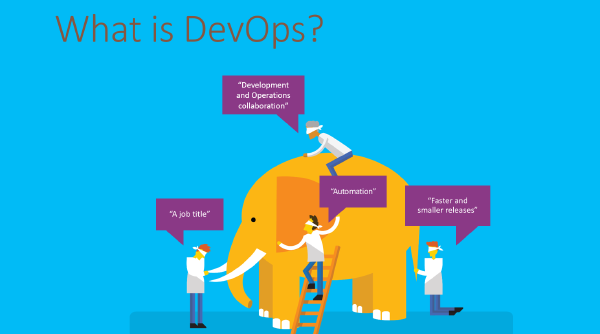
This definition and the thought process behind it really drives how I was taught about DevOps and try to practice it today. DevOps is a culture or mindset that really should drive how value is delivered at an organization. DevOps should not be a Developer only or “DevOps” only activity, this mindset should permeate the organization. DevOps is not about pipelines, automation, or a job title.
DevOps is about continuous delivery of value to our end users. End users don’t care about story points. End users don’t care about tests passing in QA. End users care about value, which could mean anything like features, stability, or performance.

The Stakeholders
#

So where do we start? With Stakeholders. For culture and mindset shifts, buy in from all levels is important. This really is “The First Way” from the Phoenix Project and Lean Methodology. We need to think of how the whole system (the organization) delivers value to our end users.

Stakeholders collaborate and cooperate in the development, delivery, and maintenance of software and value With a DevOps mindset and culture. Stakeholders and leaders can influence and encourage the mindset needed for organizations to succeed. The Shared Goals need to be understood by everyone, with the end result clearly communicated. Silos hurt the delivery of value by limiting communication and collaboration. Historically where there were silos, there are walls slowing things down.

This type of collaboration usually requires change. Change takes time. Culture takes time. A piece of software or a job title won’t be a silver bullet. But after helping multiple organizations of all sizes embrace the DevOps culture and mindset, one of the key things to keep in mind is patience.

I’ll be back to dive more into this topic.

Related

How Do You Boil the Ocean?

·329 words·2 mins
This is a phrase I end up using a lot while talking with clients. I used to use a different phrase about elephants but moved away from that language to be more respectful. Let’s start with what it means, at least in the context I use it, and why this phrase is so useful when talking about Devops. The Meaning # I’ve seen and heard a few meanings and usages of the phrase, “Boil(ing) the Ocean”. I’ve heard many negative contexts like: to undertake an impossible task or project. I usually use it in this context, Here is a big task with lots to do, how do you get started and make progress?

Snake Oil DevOps - BEWARE!

·442 words·3 mins
As a DevOps Consultant a lot of what I do is spent on People and Processes. If you remember the definition of DevOps that I love is from Donovan Brown, “DevOps is the union of People, Processes, and Products to continuously deliver value to our end users”. I want to keep reiterating this, continuously deliver value to our end users. I bring this up because my job as a DevOps Consultant is to delivering value to my end users. But not all of us do. My amazing coworker (@_s_hari) and I have discussions about this quite a bit. As far as I know, he coined the term and gave me his blessing to blog about it.

What is DevOps?

·230 words·2 mins
What Isn’t DevOps? # Before I define DevOps, let’s get started with what DevOps isn’t. DevOps isn’t just a title, or a guy, or a department. DevOps isn’t just automating everying, and isn’t just logging everything. DevOps isn’t dozens of alerts every day, and isn’t an on-call rotation. DevOps isn’t agile or small releases. DevOps is a mindset.

Shared Focus - Using The First Way with DevOps

·366 words·2 mins
A common issue I see when discussing DevOps with teams or organizations is the presence of Organizational Silos. Organizational Silos are made up of all types of people. Sometimes its a job type, like developers, qa, or infrastructure. Sometimes its a department, like accounting, or hr. Whatever the composition of these silos, they usually impact organizational performance and the ability to deliver value to end users. This happens over time, with members of the silo identifying with each other, viewing those not in the silos as outsiders. Depending on the business, the silos can lose trust in the business overall and tighten ranks around their silo. The silos can turn into walled fortresses. When the silos get in the way, the silos are more focused on their own success than the success of the organization.

ARM - Part 3: Hook up the Pipes

·211 words·1 min
I’ve got a template straight from Microsoft. I want this wired into a CI/CD pipeline to I can play around and get quick feedback. I’m going to use Azure DevOps to help make all this possible. Let’s get those templates into a repository to get started. New repository, initialize it, add new files. Next, I’m going to create a new resource group to play around with my web app resources.